- Home
- About us
About us
The Akyem of Ghana: History, Culture, and Legacy
The Akyem are a prominent Akan ethnic group in Ghana, renowned for their formidable history, cultural richness, and significant influence on the country’s political and social development. The Akyem people are primarily found in the Eastern Region of Ghana and are organized into four main states: Akyem Abuakwa, Akyem Kotoku, Akyem Bosome, and Asante Akyem
Origins and Early History
The Akyem trace their ancestry to the broader Akan migration from the Sahel region into what became the Bono state in present-day Ghana. From Bono, a group of Akan people established the Adansi Kingdom in the mid-14th century, famed for its architectural innovation—hence the name “Adansi,” meaning “builders.” The Akyem emerged as a distinct group after seceding from the Adansi Kingdom, eventually forming their own powerful states
Formation of the Akyem States
The Akyem states—Abuakwa, Kotoku, and Bosome—collectively known as Akyemmansa, developed into influential kingdoms by the 16th and 17th centuries. Their strategic location around the Birim River, a region rich in gold and diamonds, allowed them to dominate trade routes and amass considerable wealth and power
Military Prowess and Independence
The Akyem are celebrated for their military strength and resilience. In the early 18th century, they played a pivotal role in the defeat of the Akwamu Empire, one of the most decisive victories in Gold Coast history. This triumph not only liberated the Ga people from Akwamu domination but also enabled the Akyem to control key coastal trade routes and settlements, further enhancing their influence.
Their reputation as fierce warriors was further cemented during their conflicts with the Ashanti Empire. After seceding from the Adansi Kingdom, the Akyem fiercely resisted Ashanti expansion. In a notable episode, the Akyem ambushed and killed the Ashanti king, Osei Tutu, during a campaign across the River Pra—an event that became legendary and established a taboo against Ashanti kings crossing the river for generations. Despite subsequent Ashanti attempts at subjugation, the Akyem maintained their autonomy and continued to assert their independence through strategic migrations and alliances.
Colonial Era and Modern Influence
During the colonial era, the Akyem states navigated complex relationships with both the British and neighboring Akan states. They eventually became part of the British Gold Coast Colony in 1852 but retained their traditional leadership structures, with the Okyenhene (paramount chief) of Akyem Abuakwa remaining a central figure.
The Akyem’s legacy extends into modern Ghanaian politics. Several members of the “Big Six”—the group of leaders who spearheaded Ghana’s independence movement—were of Akyem descent, underscoring their continued prominence in national affairs. President Nana Addo Dankwa Akufo-Addo is among the most distinguished contemporary figures of Akyem heritage.
Culture and Society
Akyem society is matrilineal, with inheritance and lineage traced through the mother’s line. This system shapes their social organization, customs, and governance. The Akyem are predominantly Christian today, but traditional beliefs and festivals remain integral to their identity.
The Ohum Festival
The Ohum Festival is a cornerstone of Akyem culture, celebrated to give thanks for the blessings of the Birim River and the land’s fertility. The festival involves rituals, thanksgiving, and pledges of allegiance to the Okyenhene and elders, reinforcing communal bonds and cultural continuity.
Economic and Environmental Significance
The Akyem homeland, often called Kwaebibirem or the “Birim Forest,” is ecologically rich, with fertile soils and abundant natural resources. The Birim River is not only vital for agriculture but is also Ghana’s principal source of industrial diamonds, making the region economically significant.
Legacy and Greatness
The Akyem people are remembered for their:
– Military prowess and resistance to imperial domination
– Strategic control over trade and natural resources
– Key role in the liberation of other ethnic groups and the shaping of precolonial and colonial Ghana
– Contributions to Ghana’s independence and modern political leadership
– Enduring cultural traditions, especially the Ohum Festival and matrilineal social structure
Their history of resilience, autonomy, and leadership has left an indelible mark on Ghanaian society, making the Akyem a formidable and respected group whose legacy continues to inspire pride and influence in Ghana today.
Sources
Sources
[1] Akyem – Wikiwand https://www.wikiwand.com/en/articles/Akyem
[2] History of Akyem People – Sophia Apenkro Blog https://www.sophiaapenkro.com/history-of-akyem-people/
[3] Akyem Abuakwa – Wikipedia https://en.wikipedia.org/wiki/Akyem_Abuakwa
[4] Akyem Kingdoms – Wikipedia https://en.wikipedia.org/wiki/Akyem_Kingdoms
[5] ‘Akyemkwaa a Onom Biremu’: The great Akyem appellation now a … https://www.ghanaweb.com/GhanaHomePage/NewsArchive/Akyemkwaa-a-Onom-Biremu-The-great-Akyem-appellation-now-a-lost-memory-due-to-galamsey-1950785
[6] Akyem – Wikipedia https://gpe.wikipedia.org/wiki/Akyem
[7] Asante and Akyem relations 1700-1831 – Digital Repository https://d.lib.msu.edu/asrv/265
[8] Akan-Akyem in Ghana people group profile – Joshua Project https://joshuaproject.net/people_groups/19600
[9] Akyem | historical kingdom, Africa | Britannica https://www.britannica.com/place/Akyem
[10] The History of Akyem |The Warriors State ( Part 1 … – YouTube https://www.youtube.com/watch?v=I8uyzvL-k28
Culture and Tradition
The Ohum Festival
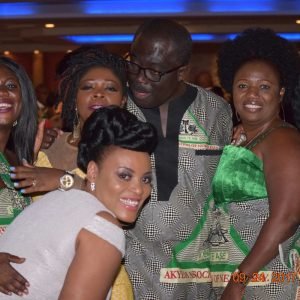
The Akyem community’s strength is reinforced through several vibrant cultural traditions, with the Ohum Festival being the most prominent. Celebrated twice a year (Ohumkan and Ohumkyire), the festival is central to Akyem identity, serving as a time to give thanks for the harvest, honor ancestors, and pledge allegiance to traditional leaders. Key elements that reinforce community strength include:
Ancestral Veneration and Rituals: The festival honors the ancestors and the divine stools that symbolize past leaders, with ceremonies at sacred sites like the Gyempremo Shrine at Old Tafo. These rituals involve sacrifices, prayers, and the renewal of pledges to uphold ancestral values and leadership.
Community Unity and Gratitude: The entire community comes together to express gratitude for the land, the Birim River, and the blessings of nature. This fosters a sense of unity, shared purpose, and collective responsibility.
Traditional Leadership: Chiefs and sub-chiefs are paraded and honored, reinforcing respect for authority and the continuity of governance structures. The community pledges loyalty to the Okyenhene and elders, ensuring trust and cohesion.
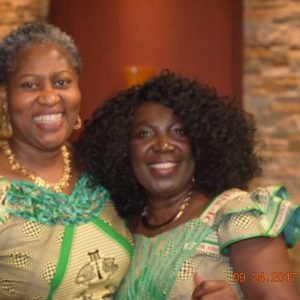
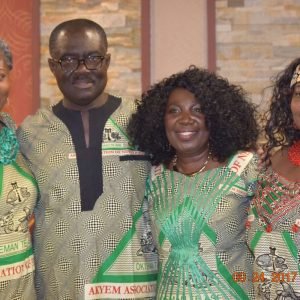
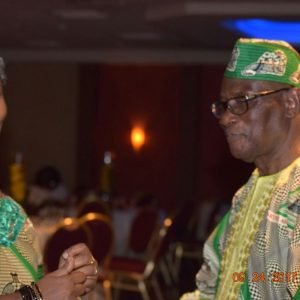
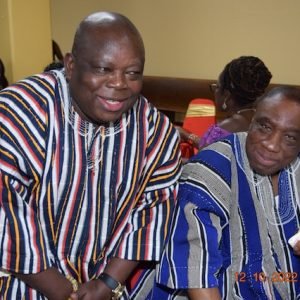
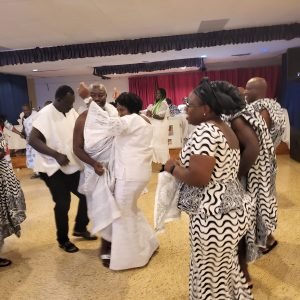
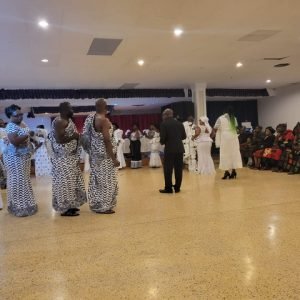
Cultural Performances: Folk dances, drumming, and colorful attire showcase Akyem artistry and heritage. These performances are not only entertaining but also serve as a living link to the past and an inspiration for future generations.
Symbolic Silence and Preparation: Before the festival, a period of silence is observed, reflecting reverence and preparation for the festivities. This practice underscores the importance of discipline and spiritual readiness within the community.
These traditions collectively ensure the preservation of Akyem culture, strengthen social bonds, and maintain the community’s resilience and identity over time.
Sources
Sources
[1] Ohum Festival – Wikipedia https://en.wikipedia.org/wiki/Ohum_Festival
[2] Arts & Culture – The Ohum Festival of Ghana – WADR https://wadr.org/arts-and-cultire-ohum-festival/
[3] (PDF) AKYEM ABUAKWA OHUM – Academia.edu https://www.academia.edu/39576447/AKYEM_ABUAKWA_OHUM
[4] Ohum Festival of Ghana’s Akyem People – halendar – WordPress.com https://halendar.wordpress.com/2020/10/09/ohum-festival-of-ghanas-akyem-people/
[5] The Grand Durbar of the Ohum Festival of Akyem Abuakwa State https://www.youtube.com/watch?v=80S7WouPLZw
[6] Ohum – The pride of the East – Ghanaian Times https://ghanaiantimes.com.gh/ohum-the-pride-of-the-east/
[7] Ohum Festival: Honouring nature and Akuapem and Akyem ancestors https://ghanaremembers.com/stories/culture/ohum-festival-honouring-nature-and-akuapem-and-akyem-ancestors.html
[8] Berekuso marks Ohum festival, highlighting the strength of our … https://ashesi.edu.gh/berekuso-marks-ohum-festival-highlighting-peace-and-unity-over-the-years/